
1977 MAK exhibition "Zwischen Industrie und Kunst"
Zwischen Industrie und Kunst - an exhibition in the MAK Vienna 1977
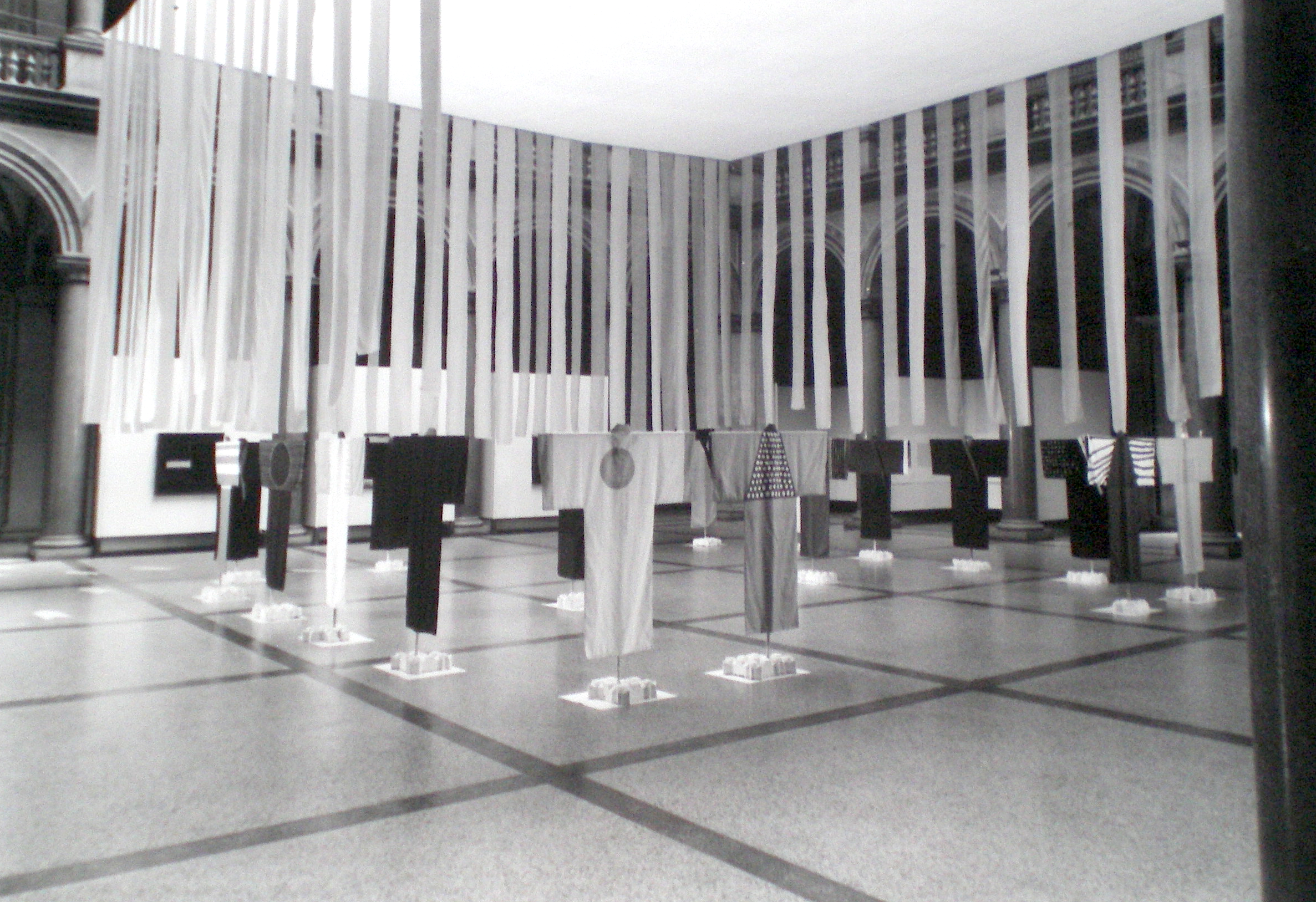
"Zwischen Industrie und Kunst" ("Between Industry and Art") was a 1976–1977 exhibition focused on textile design, bridging industrial production and artistic practice. It originated from the Textile Department of the Staatliche Akademie der Bildenden Künste Stuttgart (State Academy of Fine Arts Stuttgart).
Held at the Design Center Stuttgart from February 19 to April 25, 1976. It was organized as a special show ("Sonderschau") by the academy's textile department under the leadership of Professor Leo Wollner. The rector, Professor Dr. Wolfgang Kermer, was also involved in editing and documentation.
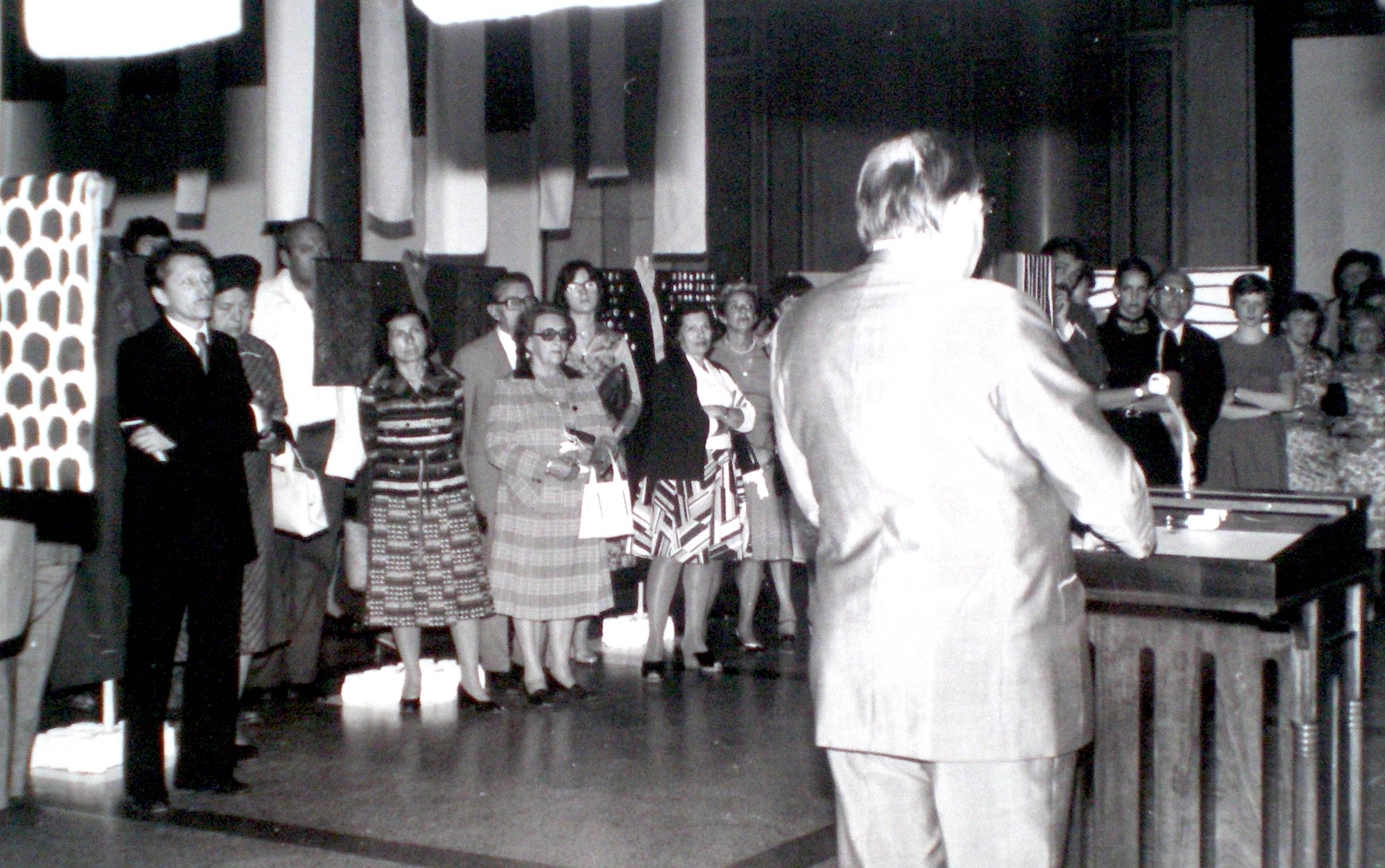
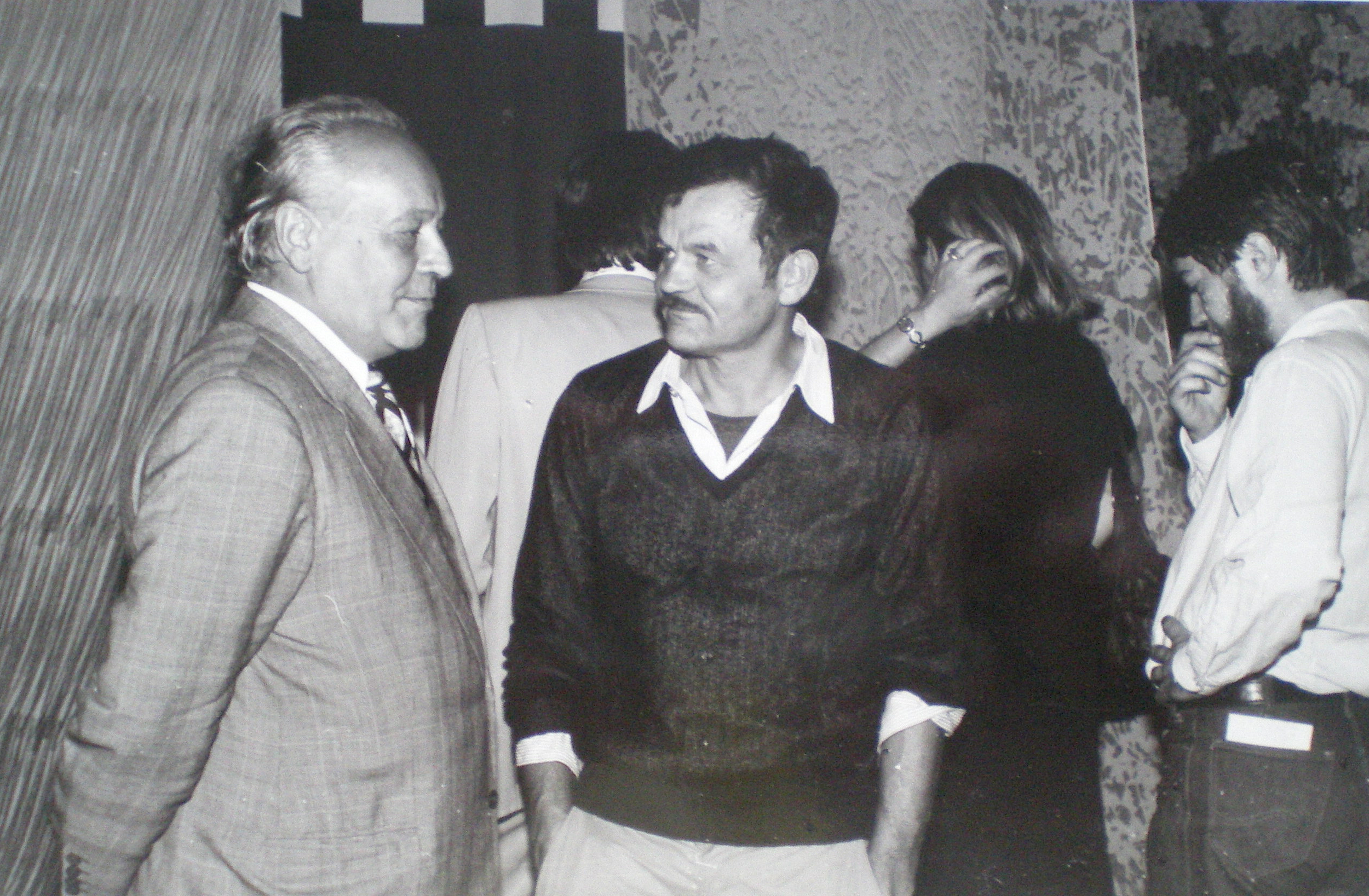
At the opening
Vienna edition (1977): It traveled to the Museum für angewandte Kunst (MAK) in Vienna, where it ran from June 22 to July 31, 1977. This was considered a highlight for the department's public presentations.
The exhibition highlighted student and departmental work in textiles, emphasizing the interplay between functional industrial design (mass production, materials, techniques) and artistic experimentation (unique pieces, aesthetics, creativity). It included catalogs with loose text pages, color plates, and sometimes original textile samples in a portfolio format. Texts were contributed by figures like Ferdinand Schäfer, Ernst Josef Auer and Wolfgang Kermer.
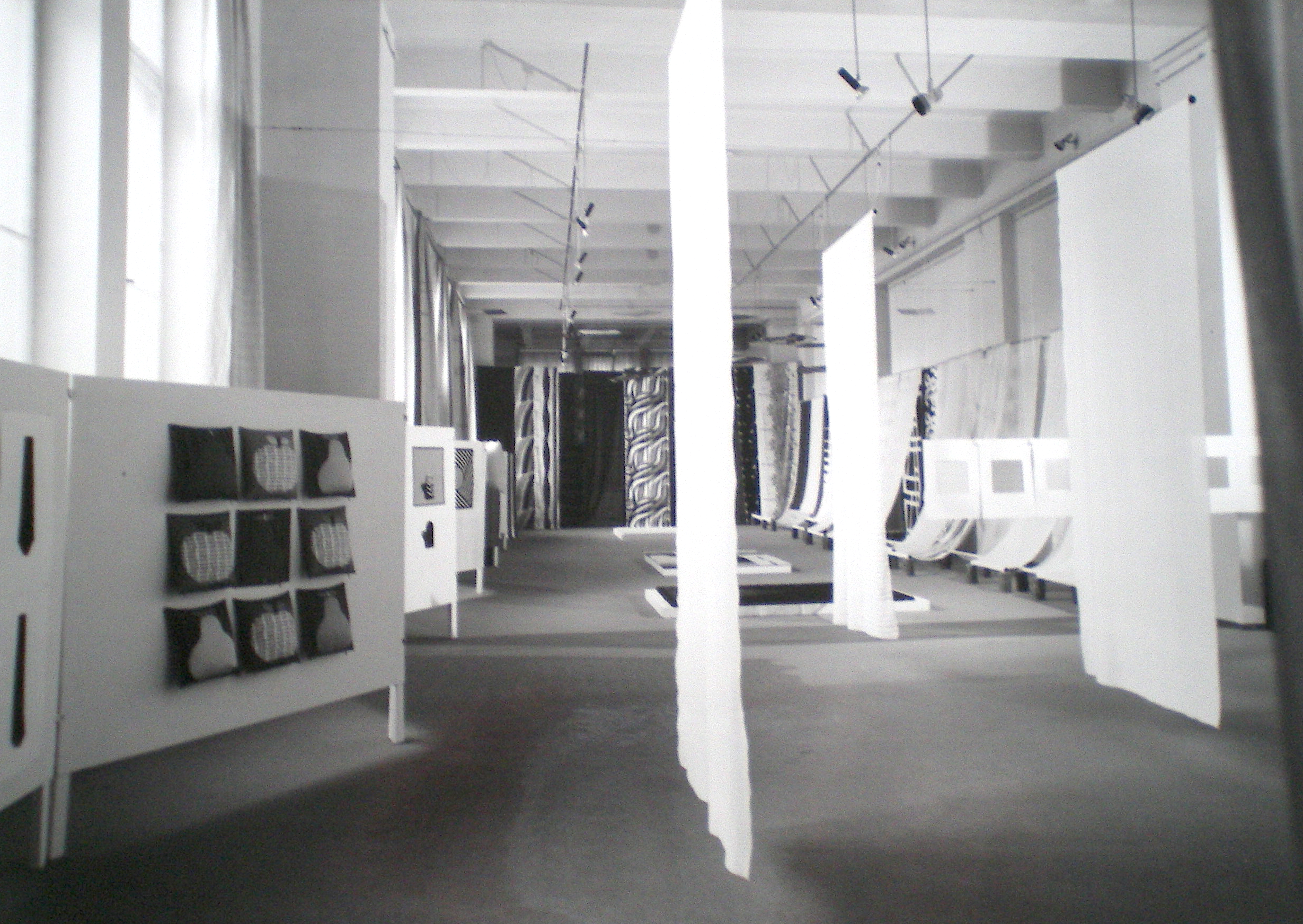
Leo Wollner, known for his industrial textile designs (e.g., for companies like Knoll International or JAB Anstoetz) as well as artistic tapestries and objects, directed the effort. The show reflected broader 1970s discussions in design education about reforming academies, connecting craft/traditional techniques with modern industry, and exploring the boundaries of applied arts.
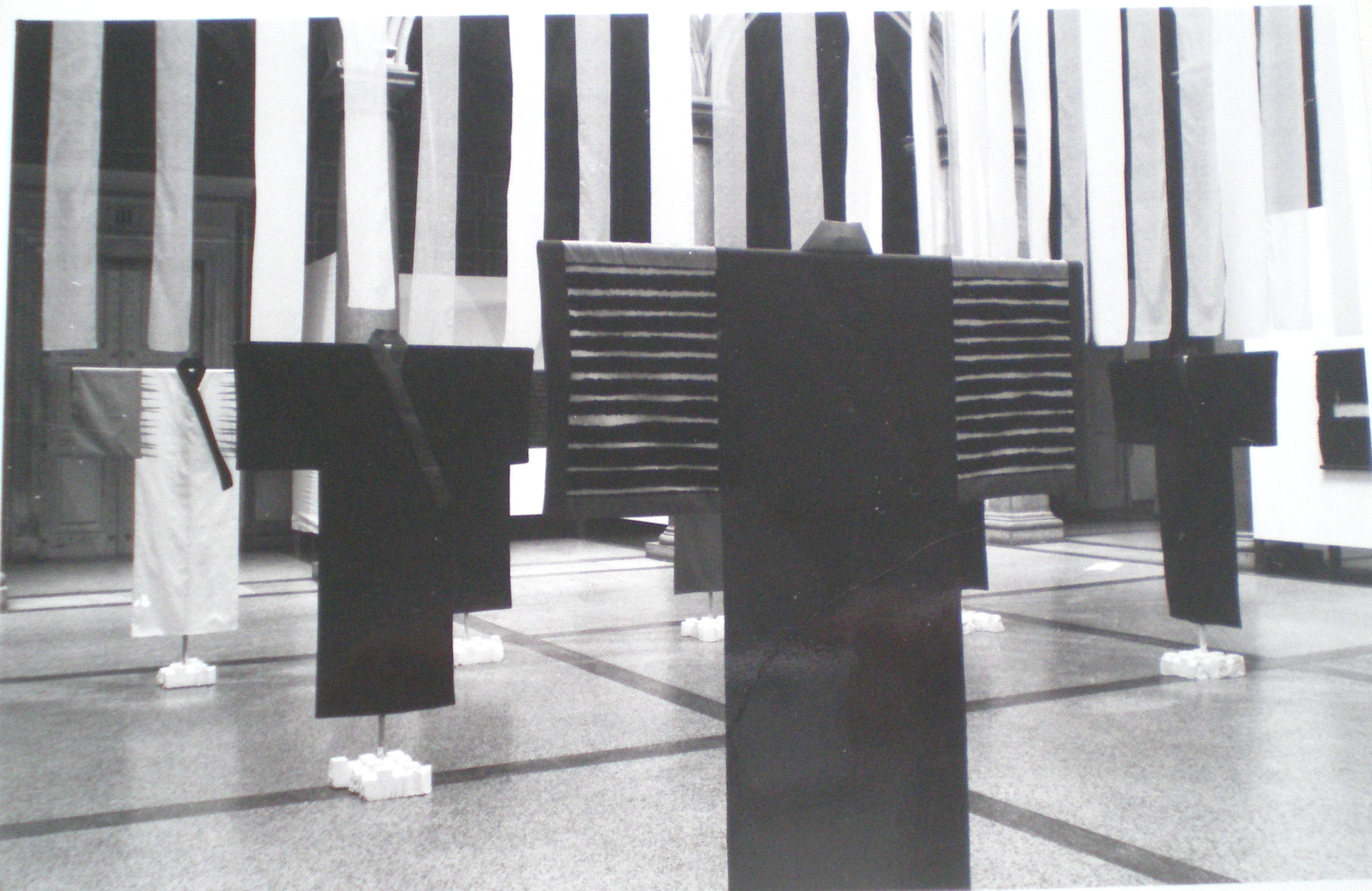
The exhibition was a significant regional/academic showcase in German and Austrian design circles, particularly for textile and applied arts. Note that there was a later, unrelated 1988 exhibition/catalog called Design heute: Maßstäbe: Formgebung zwischen Industrie und Kunst-Stück, which used a similar thematic title but focused more broadly on design objects.